Film Cameras
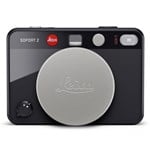
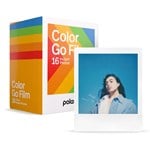
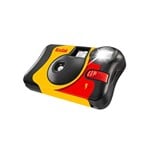
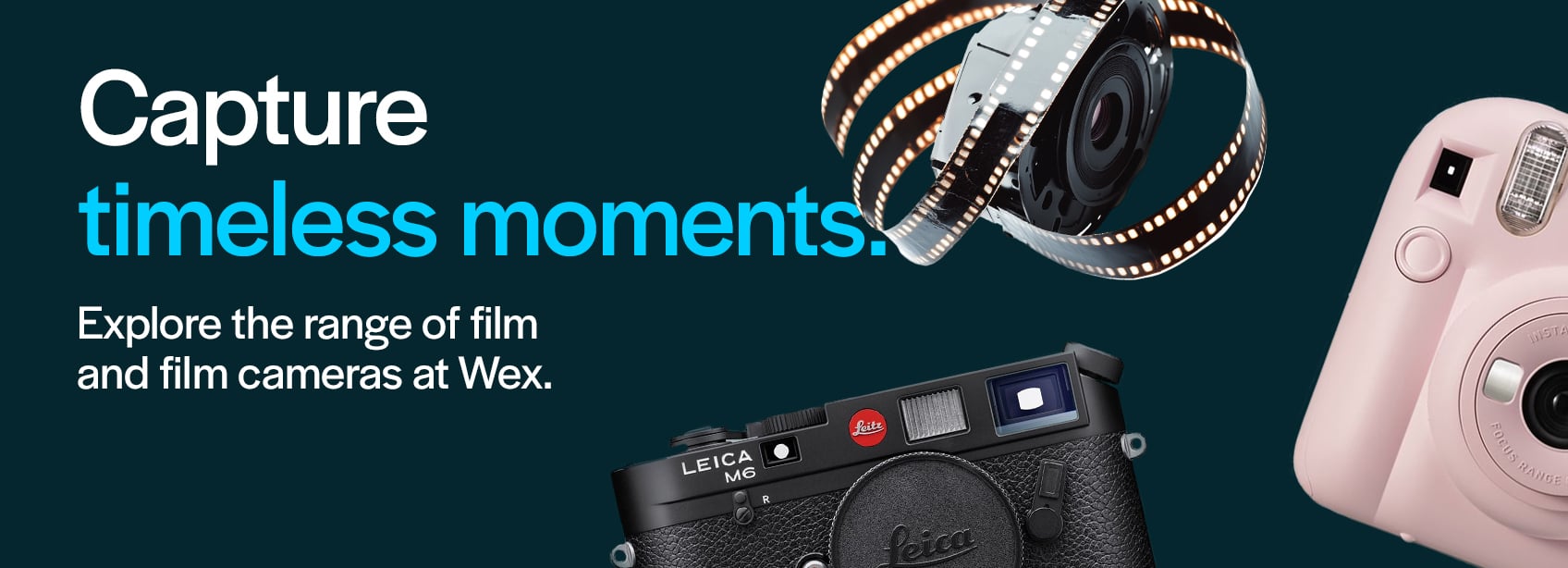
Film photography offers a creative experience that digital can’t replicate. From the anticipation of developing a roll of 35mm film to the distinctive colours, grain and character of analogue images, film cameras encourage a slower, and more considered approach to photography. Whether you’re discovering film for the first time or returning to an old favourite, there are options to suit beginners, enthusiasts and experienced photographers alike.
For instant results, cameras from brands such as Fujifilm, Polaroid and Kodak produce physical prints you can enjoy and share within moments. They’re ideal for everyday snapshots, travel, weddings, parties and anyone who enjoys having a tangible photograph rather than another image stored on a screen.
At Wex Photo Video, you’ll find a carefully selected range of film and instant cameras, alongside photographic film and accessories to help you get the most from analogue photography.

Film camera brands – who makes film cameras?
Film photography continues to offer something genuinely different from digital. Whether you want the unmistakable character of 35mm film, the larger negatives of medium format or the instant gratification of an instant camera, there are still plenty of options available. Explore some of the most popular film and instant camera brands below.

Polaroid
Few names are as closely associated with instant photography as Polaroid. Its cameras combine the distinctive look and feel of traditional instant prints with straightforward controls and modern features, making them an accessible way to enjoy physical photography.
Shop Polaroid »
Fujifilm Instax
Fujifilm Instax is one of the most popular ways to get into instant photography. With Mini, Square and Wide formats available, Instax cameras offer quick-developing prints in a range of sizes, with options suitable for everything from everyday snapshots to parties, travel and creative projects.
Shop Fujifilm Instax »
Leica
Leica has a rich heritage in 35mm film photography, with its iconic M-series cameras popular among street, documentary and fine-art photographers. Known for exceptional build quality, precise manual controls and Leica M lens compatibility, they offer a refined analogue experience for photographers who value craftsmanship.
Shop Leica »
Kodak
Kodak remains one of photography's most recognisable names. Alongside its photographic film, the Kodak range includes easy-to-use reusable 35mm cameras and instant-print options, making it a great starting point for photographers who want a simple and enjoyable shooting experience.
Shop Kodak »Frequently Asked Questions
- What is the best film camera for beginners?
-
For beginners, a simple 35mm film camera is usually the best place to start. Point-and-shoot cameras are easy to use, while an SLR with manual controls gives you more creative control and can help you learn the fundamentals of photography. New reusable 35mm cameras are also a good option if you want an affordable introduction to shooting film.
- Can you still buy new film cameras?
-
Yes. While many classic film cameras are only available second-hand, new film cameras are still produced by brands including Leica, Kodak, Lomography and others. You can choose from simple reusable 35mm cameras, instant cameras and more advanced models, depending on your budget and the type of photography you enjoy.
- What film do I need for my camera?
-
This depends on the film format your camera uses. 35mm is the most common format and is available in colour negative, black-and-white and slide film. Medium-format cameras commonly use 120 film, while instant cameras require film designed for their specific system. Always check your camera's film format before buying.
- What does ISO mean on film?
-
ISO describes how sensitive the film is to light. Lower ISO films, such as ISO 100, generally produce finer grain and work well in bright conditions. ISO 400 is a versatile choice for everyday photography, while ISO 800 and higher can be useful when shooting in lower light or when faster shutter speeds are needed.
- Can you use any 35mm film in a 35mm camera?
-
Most 35mm cameras can use standard 35mm film regardless of brand, giving you plenty of choice between different colours, contrast levels and film speeds. However, it is worth checking your camera's specifications, particularly with older cameras that may have limitations when automatically reading higher ISO film speeds.
- How many photos do you get from a roll of 35mm film?
-
Most 35mm film is sold in rolls of either 24 or 36 exposures, meaning you can normally take 24 or 36 photographs before changing the roll. Occasionally, a camera may allow you to squeeze an extra frame or two from a roll depending on how the film is loaded.
- Does 35mm film expire?
-
Yes. Film has an expiry date and its colour, contrast and sensitivity can change as it ages. Properly stored film can remain usable beyond this date, particularly when kept cool and dry, although the results become less predictable. Some photographers deliberately use expired film for its distinctive colour shifts and grain.
- What is the difference between 35mm and 120 film?
-
35mm film is smaller, widely available and typically provides more exposures per roll, making it a popular choice for everyday photography. 120 film is used by medium-format cameras and produces a much larger negative, which can deliver greater detail and a distinctive look. The number of photographs per roll varies depending on the camera's image format.
- Do film cameras need batteries?
-
It depends on the camera. Fully mechanical film cameras can often operate without a battery, although their light meter may still require one. Electronic film cameras generally need batteries to operate features such as autofocus, exposure metering, film advance or the shutter.
- How do I get photos from a film camera onto my phone?
-
Once your film has been developed, the negatives can be digitally scanned. Many film processing services offer scans alongside developing and provide the images as digital files, which can then be transferred to your phone, computer or cloud storage for editing and sharing.