I have some excellent news for budding wildlife photographers: you do not, repeat, do not need to spend a fortune on a pro camera and a super-telephoto lens to get great wildlife shots. The best budget wildlife photography kit is actually pretty reasonably priced, and in certain ways, beginner kit actually provides advantages for wildlife that you don’t get from the professional stuff.
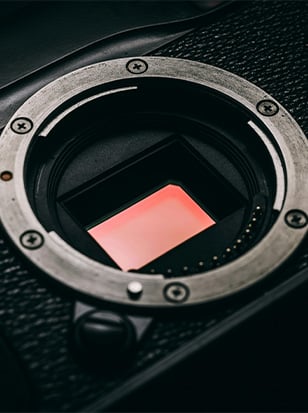
The key is crop factor. Entry-level cameras use smaller APS-C sensors than the full-frame sensors used in professional cameras. The smaller field of view means an APS-C sensor incurs a crop factor on a lens, and in real terms this extends the lens’ effective focal length by 1.5x. This sounds complicated, but all it means is that a 100mm lens, when mounted on an APS-C camera, behaves like a 150mm lens.
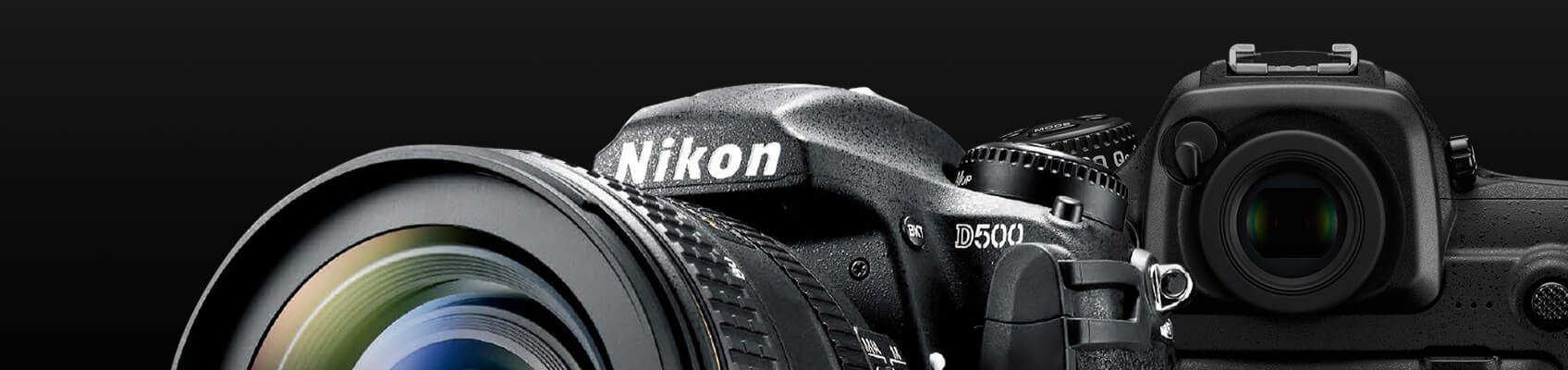
So, you get more telephoto reach for your money, and that means it can be more cost-effective to build a wildlife photography setup on an APS-C camera. Of course, that still leaves you with a lot of choice, so I’m going to make things simpler by looking at two cameras that I think have a huge amount to offer: the Nikon D500 vs Nikon Z50 II for wildlife photographers.
Both of these cameras use APS-C sensors, so the crop-factor benefit is the same in both cases. The Nikon Z50 II is an entry-level mirrorless camera which can be bought new with 16-50mm and 50-250mm Z-mount lenses for £1,199 – and remember, with the APS-C crop factor applied, that 50-250mm lens will behave like a 75-375mm lens!
The Nikon D500, meanwhile, is an older DSLR that uses the F-mount lens range, and has a reputation as a speedster, with fast shooting speeds and an effective autofocus system with tracking. On the used market, it can be bought together with the Nikon 70-300mm f4.5-5.6 G AF-S VR IF-ED lens for as little as £764. And once again, the crop factor will extend that lens to a 105-450mm equivalent. As you can see, an APS-C camera is just a brilliant way to get a telephoto lens on a budget.
What’s the best crop sensor wildlife camera?
Either of these cameras could be a brilliant option for the budget-conscious wildlife photographer. I think the D500 is the more powerful choice – and is cheaper, too, thanks to competitive used prices – but some may prefer the smaller form factor of the Z50 II. Fundamentally, you can’t really go wrong either way.
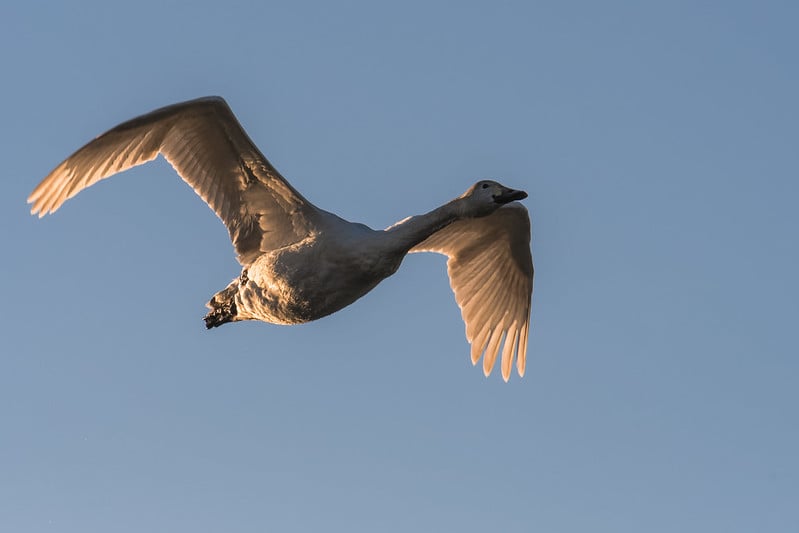
Going with crop-sensor is a brilliant way to get the equivalent of powerful lenses used by professional wildlife photographers – but on a budget. As we’ve seen, a 300mm lens for wildlife beginners can give you an effective 450mm of telephoto reach to play with on an APS-C system, allowing you to fill the frame with your subjects much more easily, while still maintaining distance.
Plus, the wide availability of great kit on the used market means it really doesn’t have to come at a huge cost. Wildlife photography certainly can be expensive – but it doesn’t have to be.
Take a look at our extensive range of second-hand products here!
About the Author
Jon Stapley is a London-based freelance writer and journalist who covers photography, art and technology. When not writing about cameras, Jon is a keen photographer who captures the world using his Olympus XA2. His creativity extends to works of fiction and other creative writing, all of which can be found on his website www.jonstapley.com
The Wex Blog


Sign up for our newsletter today!
- Subscribe for exclusive discounts and special offers
- Receive our monthly content roundups
- Get the latest news and know-how from our experts