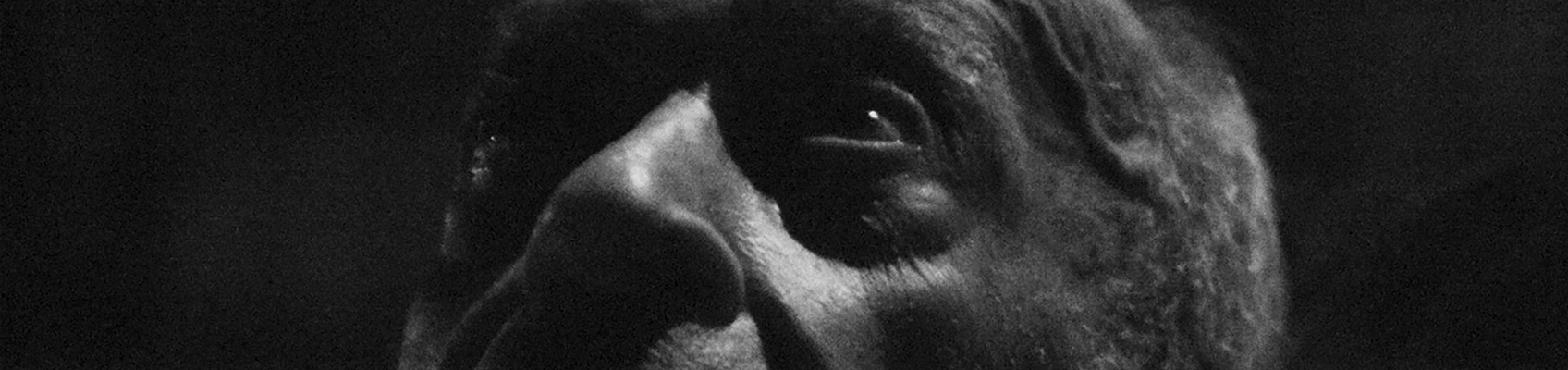
“Fear in a handful of dust”
It’s okay if the images on these pages don’t make immediate sense to you – they’re not supposed to. They are taken from Brooklyn-based photographer Amani Willett’s 2025 book Invisible Sun, and their abstraction, their discordance, it’s all part of the process. For Amani, creating and assembling the work that lines the pages of Invisible Sun – deftly designed by Emily Sheffer and published by Dust Collective – was the latter part of a journey that began fifty years ago.
As a child, living in Tanzania in the 1970s, Amani underwent two complex medical procedures to untangle knots that had formed in his intestines. These would be dangerous procedures today, and they were even more so back then. Both times, Amani could have died, and very nearly did.
We don’t always keep a clear picture of the things that happen when we’re young, even (and sometimes especially) if they are traumatic. In interviews, Amani has discussed how he doesn’t remember the precise details. However, surviving such traumatic events left indelible scars, and not always visible ones.
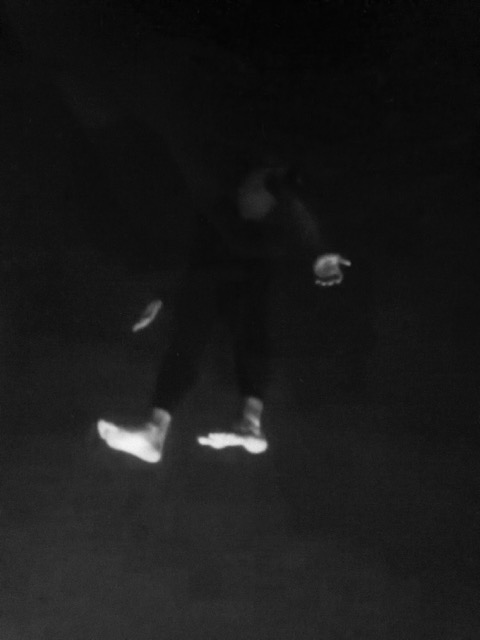
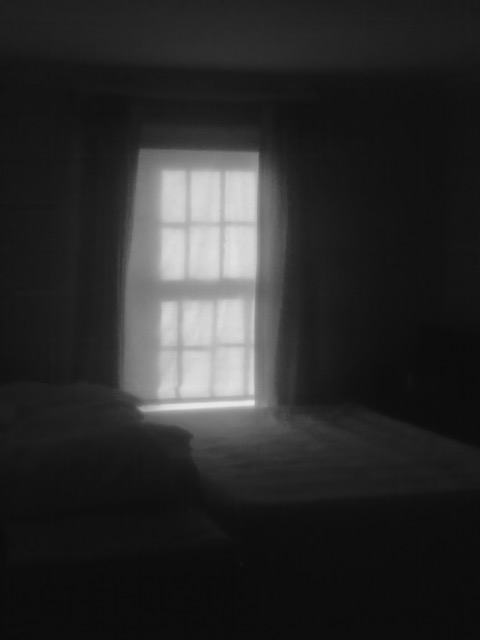
In order to process the hurts left by his lengthy hospital stays and brushes with death, Amani found himself turning to ketamine therapy. This is a treatment that has been increasingly used since the 2000s to alleviate symptoms of conditions like depression, particularly depression that has not responded to other forms of treatment.
Ketamine therapy is not for everyone. It can and does cause manifestly different effects on different people. In Amani’s case, it produced extremely realistic hallucinations, lucid dreams that were made from the stuff of real traumatic memories. Through these dreams, he was able to access parts of his memory that had previously been walled off.
He began journaling his feelings after the sessions to try and make sense of it all, and it was these excerpts that he decided to use to create imagery, exploring the bridges between memory, trauma and the dreaming world.
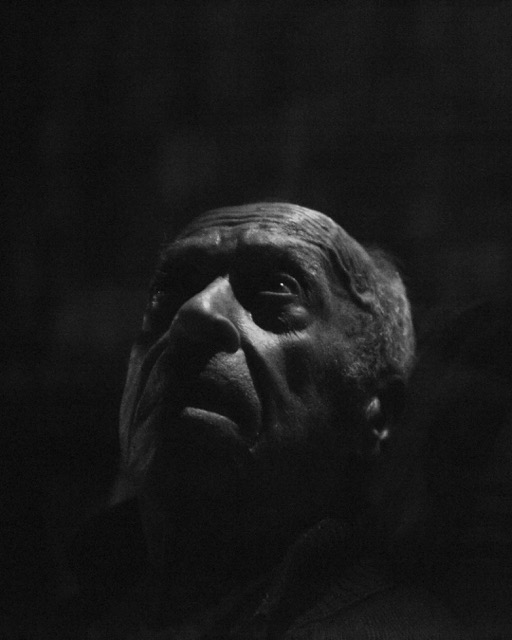
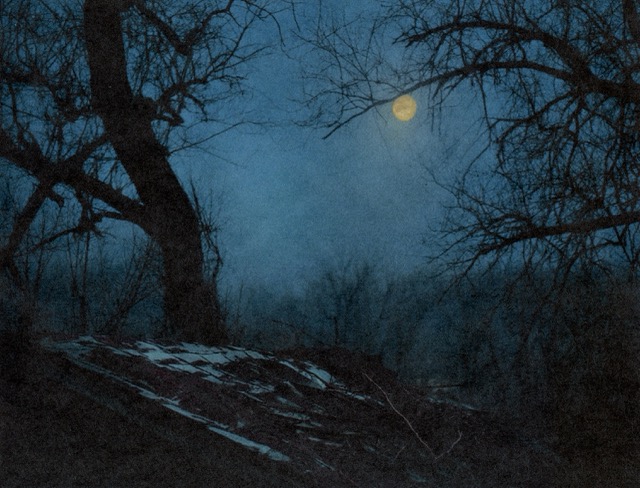
That’s why these images have such a dreamlike quality – and I don’t just mean in the sense that they look surreal or ethereal. I mean in the sense that they bump up against one another; one image does not necessarily follow into another, in the way that a dream will frustratingly refuse to make logical sense. They are landscapes, portraits, and abstractions. Some are black & white, others are in colour. The collection includes portraits of Amani’s own children, and anonymous figures, often changed or distorted in some way. Silhouettes are devoid of features, full of stars.
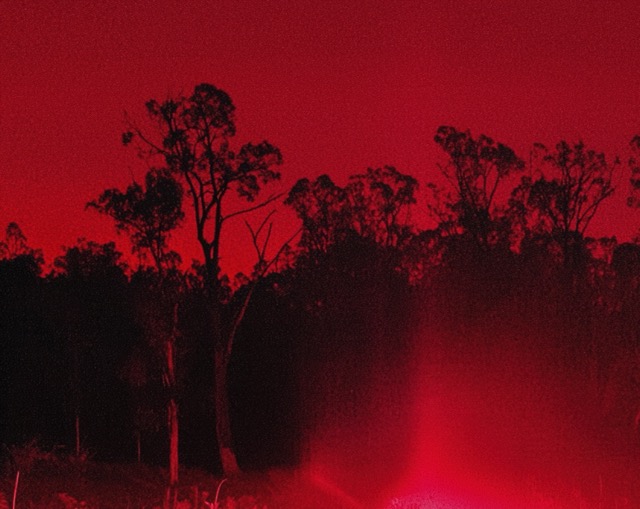
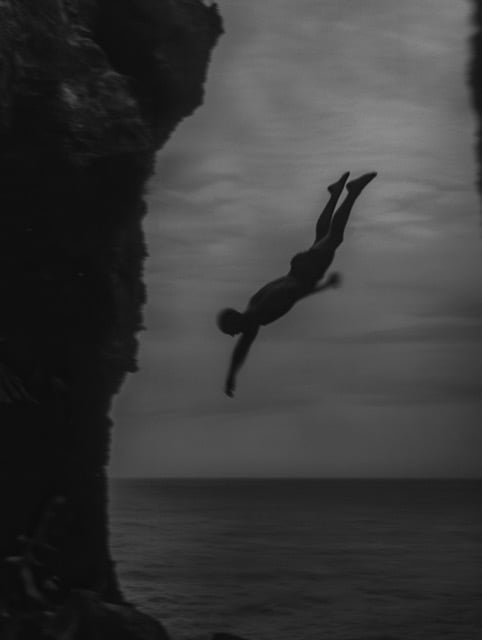
The resulting experience feels layered and textured. Amani weaves together different means and methods, including experimental photographic processes, and even AI-generated imagery. He fed the AI excerpts from his own journals and his digital archive, further blurring the boundaries between what’s real, what’s artificial, and what perhaps exists halfway between one and the other.
The book itself has been a deserved success. It has been well-reviewed in multiple publications, including the New York Times and Amateur Photographer, and was featured on Lensculture’s list of favourite photobooks of 2025.
What makes it really work for me personally – and I do think it’s a work that invites a very personal response – is how it makes you work for its answers. The dreamlike variance of the images, the commitment to abstraction, the way some subjects are instantly recognisable and others are near-impossible to fully decode – it forces the viewer to engage in the process. Just as healing from trauma can be a process of discovery as much as anything else, so too is learning to understand and appreciate Invisible Sun.
Trauma creates strange associations. Objects, places, people and sensations can trigger memories of disturbing experiences. Amani does not explain the genesis of his images until the very end of the book – at the beginning, the only map the viewer is given to navigate their way through is an excerpt from T.S. Eliot’s epic poem, “The Waste Land”:
There is shadow under this red rock,
(Come in under the shadow of this red rock),
And I will show you something different from either
Your shadow at morning striding behind you
Or your shadow at evening rising to meet you;
I will show you fear in a handful of dust.
Fear can be seen anywhere – even something as innocuous as a handful of dust. But the images of Invisible Sun remind us that hope and healing can be found in the same places
Invisible Sun by Amani Willett is published by Dust Collective (dustcollective.net).
This article is part of our #ChangeTheImage | Photography as a Therapeutic Tool campaign.
Photography can be much more than a way of documenting the world around us. For many, it can become a way to process experiences, express emotions that are difficult to put into words, and reconnect with ourselves and others. Through making and sharing images, photography can offer a powerful tool for reflection, understanding and healing.
Here at Wex Photo Video, we are constantly reminded that how we choose to capture the world has never mattered more. The way we see — and the way we portray others — holds the power to influence the world around us, from shifting public opinion to inspiring meaningful change. We are reminded once again of the profound importance of documenting the lives, stories, and moments that shape our shared human experience.
About the Author
Jon Stapley is a London-based freelance writer and journalist who covers photography, art and technology. When not writing about cameras, Jon is a keen photographer who captures the world using his Olympus XA2. His creativity extends to works of fiction and other creative writing, all of which can be found on his website www.jonstapley.com
Trending Articles
Sign up for our newsletter today!
- Subscribe for exclusive discounts and special offers
- Receive our monthly content roundups
- Get the latest news and know-how from our experts